Not another forgettable video.
I’ve been a creative since I was old enough to hold something in my hands. Writing music, picking up instruments, DJing through my teens and twenties, anything that involved making something and putting it out into the world.
Fourteen years ago I started my first business, Studio 808, from nothing. Everything I’ve built since has been the same way: hard work, no shortcuts, and a refusal to ship anything I wouldn’t put my own name on.
Not one neat origin story.
Like most people who end up doing this, I didn’t start out aiming for it. I came in through music first, then cameras, then businesses.
Studio 808 was my first. A DJ and recording studio I built from the ground up, learning everything I needed as I went: the gear, the bookings, the operations, the clients. Fourteen years later it’s still running, still busy, and still the studio where I produce music and record high end audio for clients.
Two more businesses followed including Paul Alexander Media and my tech start up company PA Tech Labs. Each one taught me the same lesson: the difference between a business that survives and a business that grows is whether the work is good enough that clients actually want to come back.
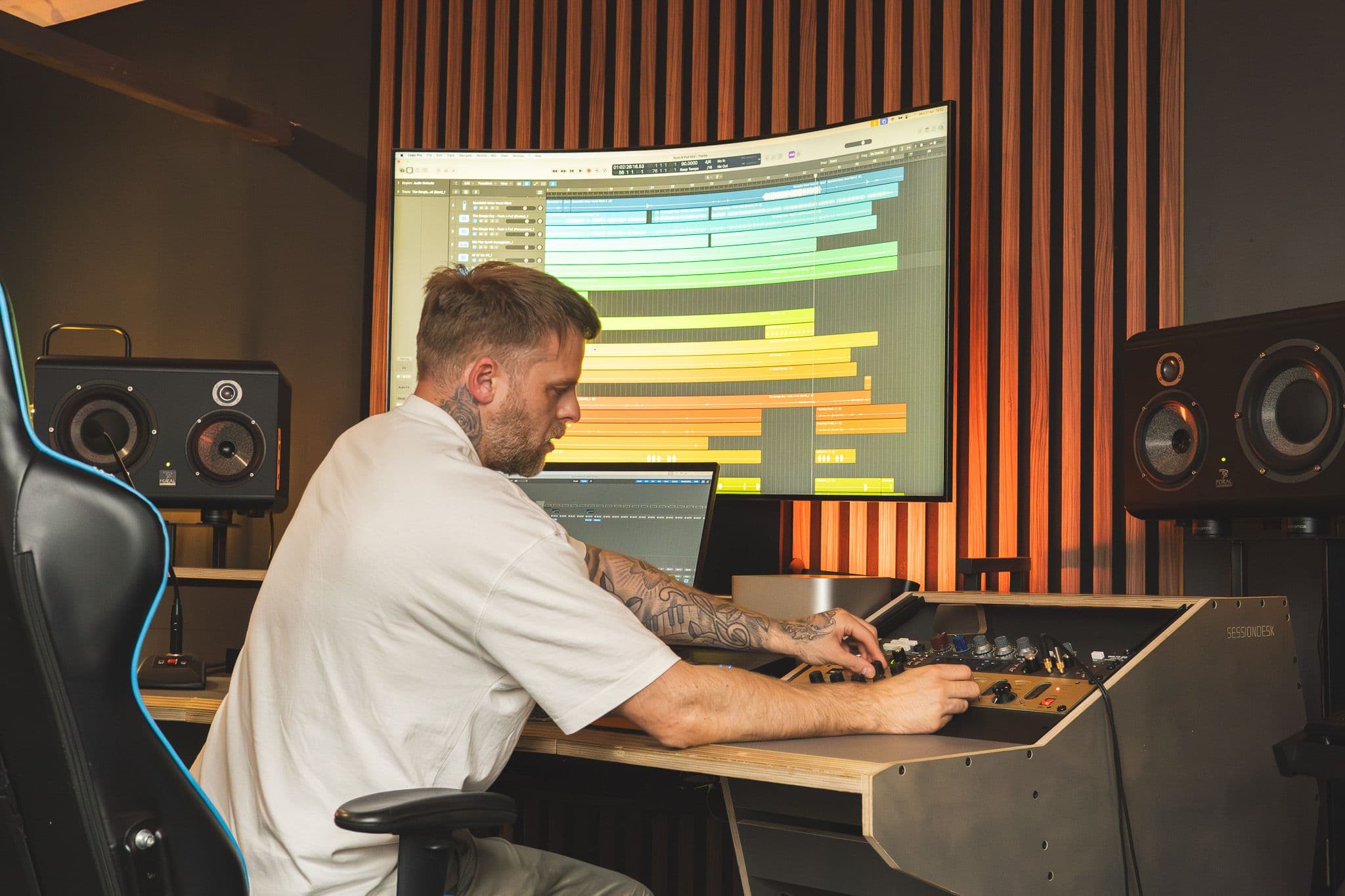
Building the facilities for proper production.
Most corporate video and podcast work in Essex gets made in spare rooms, borrowed offices, or tiny rented spaces with fabric panels stuck on the walls. That’s fine if you’re starting out. It’s not fine if you’re charging clients for broadcast-quality output.
Frustrated by the lack of quality studios in Chelmsford, I set out to build something better, and I’m still building with that same drive today. Studio 808 has grown into a proper production facility: four acoustically treated rooms and broadcast-standard mics for audio, matching the quality of high-end studios. And it’s built for visuals just as much, with multi-camera 4K capture, proper lighting and the right kit, the environment corporate video should actually be filmed in.
Two disciplines, one proper facility, built on a simple principle: compromised spaces produce compromised work.
Broadcast-grade, every shoot.
Sony FX6 and FX3 cinema cameras. Shure SM7dB broadcast microphones. Aputure 600D lighting. Sennheiser wireless audio. GVC-licensed drone for aerials. Atomos Ninja V external recording. The kit list reads like a small broadcaster’s because that’s what corporate video needs to look like if you want it to stand up next to proper productions.
Full kit list available on request for tender responses.
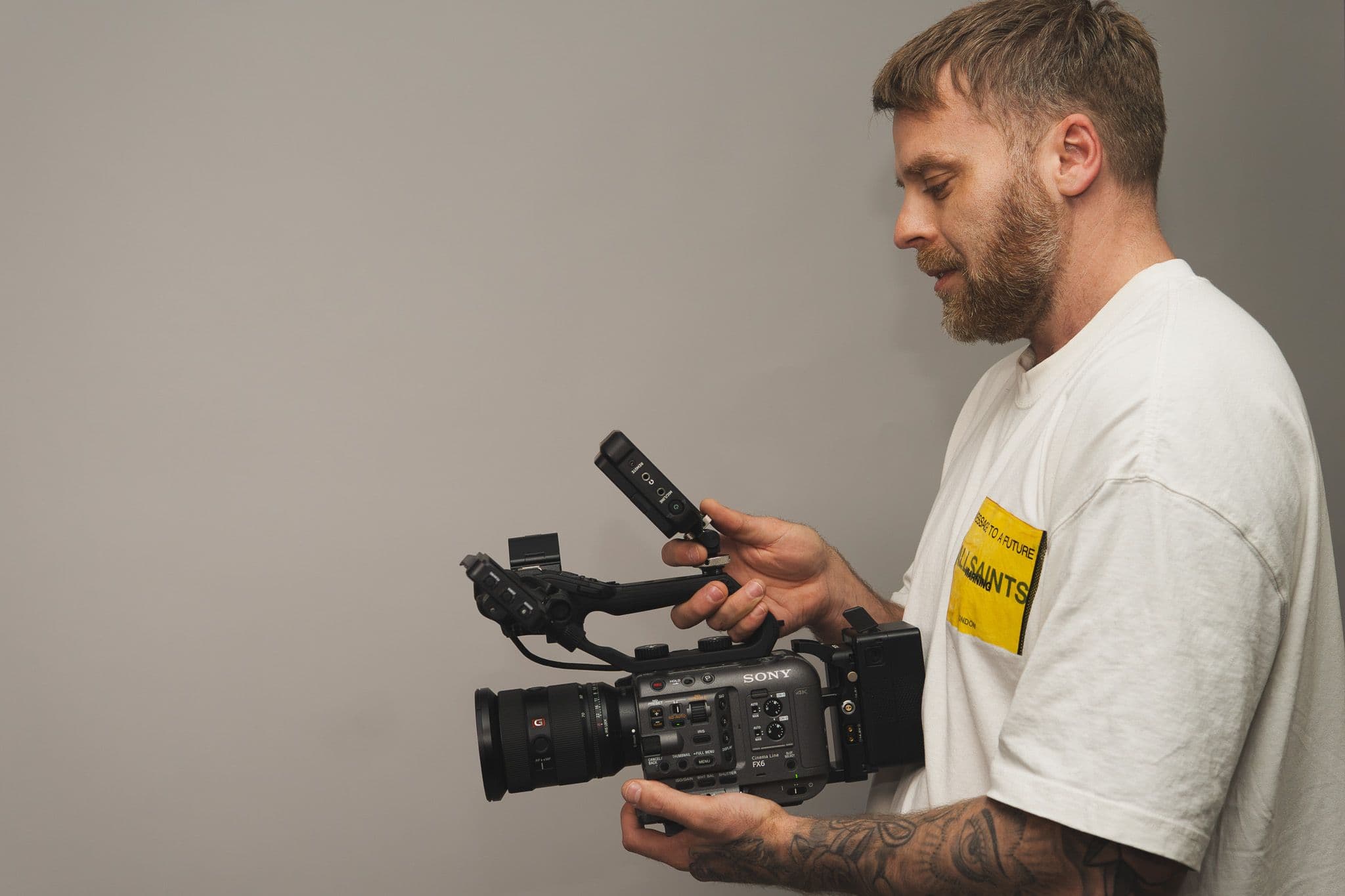
Senior-led, start to finish.
Most agencies bid the senior person and deliver the junior. I don’t.
Every project I take on, I’m on the call, on the shoot, in the edit. If you’ve spoken to me, you’ve spoken to the person who’ll actually show up. That matters for small-to-mid businesses who want the senior attention agencies promise but rarely deliver.
For bigger jobs I bring in a small trusted crew, second shooters, assistants, editors, who work to my standard and under my direction. But the accountability stays with me.
The reason I still do this after fourteen years.
The honest answer is craft.
There are faster ways to make money in video. There are easier ways to run a production business. The reason I still take on every shoot personally, still choose the kit carefully, still care about where the mic ends up in the frame, is the same reason I’ve built three businesses that last: it’s only worth doing if it’s done properly.
If that’s how you feel about your own work, we’ll get on. If you just need something cheap and quick, there are people who do that better than me.
When I’m not behind a camera.
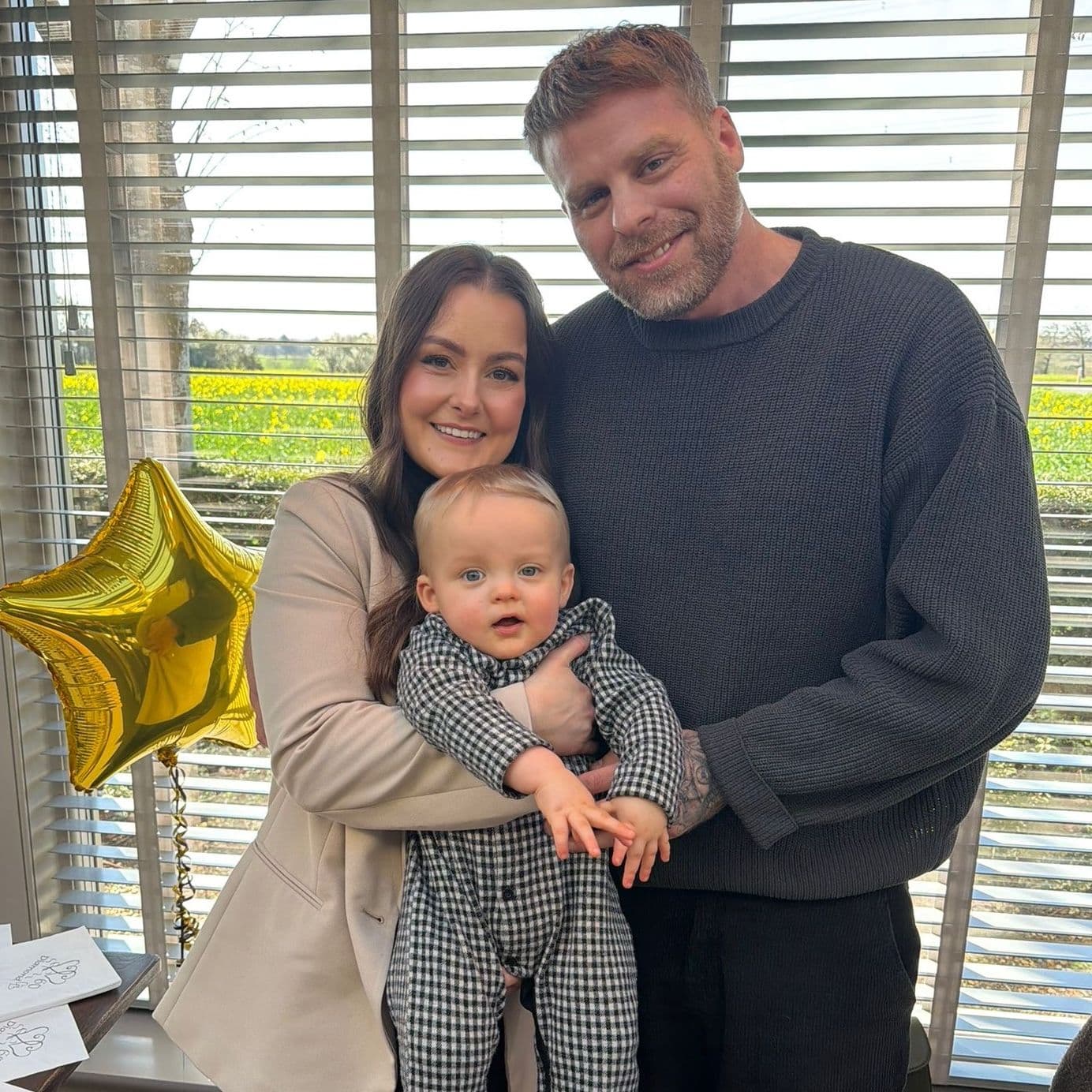
Based in Essex. Dad to a young one. Still passionate about music, still collect records, still believe most of what I know about rhythm, timing, and creating a vibe came from music long before it came from film.
If the standard matters to you too, let’s talk.
20 minutes on a call. No pitch, no pressure. Just a conversation about what you need.
Get in Touch